
Why the 5 Ws Remain Your Best Anchor in Maritime PR
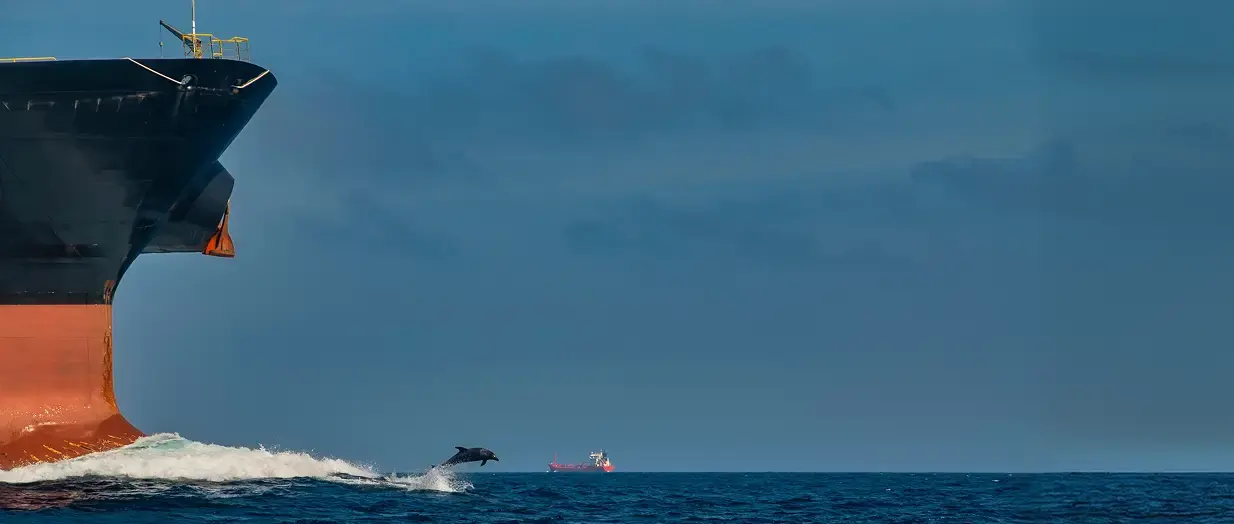
Securing headlines in the shipping, logistics, and offshore sectors can feel like steering a 24,000 TEU container ship through the Suez Canal in strong crosswinds. Trade editors and maritime journalists receive hundreds of press releases daily. Most of those emails are skimmed for less than five seconds before being deleted or archived.
That is where the 5 Ws come in: Who, What, When, Where, and Why. Answering these fundamental questions upfront does far more than make a reporter’s job easier. It transforms a standard corporate announcement into a publishable news story.
Although the 5 Ws may be a centuries-old journalistic principle, their value has skyrocketed in today’s digital and AI-driven media environment. Modern newsrooms, search algorithms, and AI media monitors rely on clear, structured data. When your release explicitly answers the 5 Ws in the lead paragraphs, you ensure your story is easily processed by journalists, indexed by search engines, and scraped accurately by news aggregators.
Who: Make clear who is involved
Simply naming your company in the headline or first line is not enough. You need to establish who is involved and why they matter. Are you a major shipowner placing a firm order for 12 dual-fuel container vessels? A fleet manager testing carbon capture tech on a bulk carrier? Or a maritime software startup rolling out AI-driven voyage optimisation?
Beyond identifying the main actor, map out everyone affected by the development. If your new software shortens port turnaround times, the “Who” extends beyond your product team to include terminal operators, stevedores, harbour pilots, and regional logistics providers. If you are announcing a newbuild contract, explicitly state the yard, the shipowner, the charterer, the classification society, and the engine manufacturers. Giving journalists the full picture also makes it easier to identify a relevant angle.
What: Cut the buzzwords, say exactly what happened
Maritime corporate communications are notoriously packed with dense jargon, vague marketing claims, and abstract announcements. Phrases like “pioneering a revolutionary paradigm shift in nautical logistics” tell an editor almost nothing and usually trigger a quick delete. Your “What” must be concrete, specific, and action-oriented. State the precise event or milestone in plain language: “Company X has launched a dedicated carbon-neutral feeder route between Rotterdam and Singapore using methanol-powered vessels.”
If an editor reads only your lead paragraph, they should instantly understand the core announcement without needing to decipher corporate speak. Present hard facts, quantify achievements (such as vessel deadweight, battery capacity, or fuel savings percentages), and write exclusively in the active voice where possible.
When: Timing defines the urgency of the narrative
Timing helps an editor understand how and when a story can be used. Is this announcement breaking news, a completed deal, an upcoming vessel delivery, or an announcement timed for a major industry gathering like SMM, Posidonia, or Nor-Shipping? In an industry run on strict transit schedules, lay out exact dates, operational timelines, and any necessary embargoes clearly at the top of the release.
Explicit timing tells a news desk whether your story needs to go live immediately or if it works better as part of a weekly analysis piece. Providing precise dates eliminates confusion and cuts down on back-and-forth emails from reporters checking basic facts.
Where: Show where it matters
The “Where” in your release is almost never just your corporate headquarters; it is where the operational impact happens. A new zero-emission technology might be designed in Oslo, but if its primary application is on vessels operating in the Baltic Sea Emission Control Area (ECA) or along the US Gulf Coast, that geographic detail is your lead.
Clearly pinpointing geographic relevance helps trade journals, regional publications, and local beat reporters instantly recognize why the story matters to their specific reader base. Highlighting key ports, trade corridors, or regulatory zones ensures your press release finds traction in the right regional markets.
Why: The strategic engine behind your story
This is where most maritime press releases fail. An announcement can perfectly detail the Who, What, When, and Where, but without a compelling “Why,” it remains just another routine corporate bulletin.
The “Why” supplies the industry context and answers the ultimate question every editor asks: “So what?” Why does this story matter today? How does it affect fuel transition goals, supply chain resilience, or upcoming maritime regulations? The “Why” converts plain data into a meaningful news narrative that keeps readers on the page.
For instance, installing shore power at a regional port is a straightforward facility update. The real story is what that installation enables: compliant cold ironing for calling ships, immediate reductions in local port emissions, and direct alignment with strict frameworks like EU ETS, FuelEU Maritime, or AFIR mandate targets. The stronger the link to a current industry issue, the easier it is for a journalist to see the news value.
Structuring your story with the 5 Ws builds a strong foundation, but getting it into the right hands completes the job. The Marconic distribution platform helps you sharpen your story’s main angle and delivers it straight to the inboxes of key maritime, offshore, and logistics journalists worldwide. Backed by the Marconic team’s sector expertise, your news avoids the junk folder and gets the coverage it deserves.
Let’s continue the conversation

Frans Swarttouw
frans@marconic.com
I believe maritime companies have a much bigger opportunity to strengthen their digital visibility than many realise today.
With Marconic, we help shipping companies, maritime suppliers and offshore businesses distribute press releases into the right maritime media ecosystem while building long-term digital authority and discoverability.
Curious how that works in practice?
Feel free to reach out.
