
Why maritime companies need PR that thinks like a specialist journalist
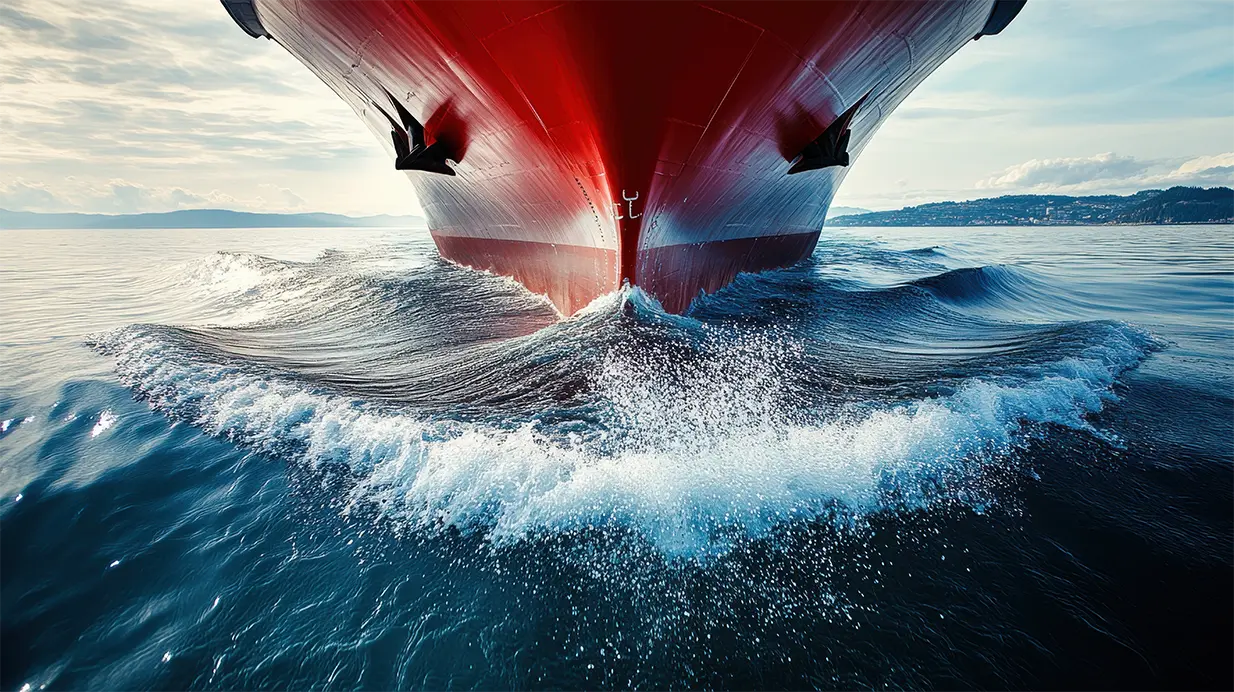
What a specialist maritime PR partner does, and why journalistic discipline matters in shipping
Ask the head of a maritime company what the business has achieved in the last year and the answer will be long: a container ship retrofitted for methanol, a new trade route opened, a safety scheme that changed how crews report near misses, or a new dual-fuel newbuild nearing delivery while its crew train on the new fuel.
Very little of it reaches the outside world. The shortage is not of news but of a process: someone whose job is to spot the story and shape it for the audiences who matter, from charterers and port authorities to the trade press. That is the gap good maritime PR fills.
Why news stays inside the company
News rarely fails to emerge because people are secretive. It fails because the people closest to it cannot see it. A technical superintendent who has spent months on an engine-room upgrade regards it as part of the job, not as a story. A commercial director who has closed a contract with a new charterer is already thinking about the next deal. Management, meanwhile, remembers communication only when a milestone arrives, and by then the story has either lost its news value or been flattened into corporate language.
Specialist journalists work differently. They do not wait for sources to hand over finished stories. They go looking, ask the questions the business has stopped asking itself, test the facts and judge what is worth publishing, for whom and when. An external maritime PR brings that discipline, and the distance that comes with it, to a company whose own people are too close to the work to see what stands out.
What working like a specialist journalist means in practice
It means covering your company the way a specialist reporter covers a beat. Instead of waiting for a brief, we at Marconic track your business continuously: your fleet, contracts, technology decisions, regulatory exposure and the direction your management is taking.
The work is practical. We ask the questions your colleagues would never think to answer unprompted: what changed, by how much, what did it cost, who else is struggling with this problem and what would you tell them? We interview your people, from the chief engineer to the CEO, and turn what they say into material that is accurate, specific and worth reading. We suggest angles you might not have considered, and we tell you plainly when something is not a story, which is just as valuable. Where there is genuine news, we draft the press release, identify the right trade titles and journalists and shape the pitch.
Each story feeds a wider PR strategy, building a consistent picture of what your company does, what it knows, and where it wants to be positioned. It is the approach we take with Econowind, a wind-assisted propulsion specialist, where we follow the business month by month and bring its news to the trade press.
Why a journalist’s eye matters in your maritime PR strategy
Shipping audiences are technical and unforgiving of vague claims. Charterers, financiers, classification societies and trade editors will notice an emissions figure with no baseline or an “industry first” that is not one. Editorial discipline protects your company from that, because every claim is checked before it leaves the building and every story is built on evidence rather than adjectives.
It also helps build relationships with the media. Trade journalists are far more willing to take a call from a company that regularly offers them something accurate and relevant, and they remember it when a bigger story arrives. Reputation in this industry is cumulative. It is built over years of being clear, consistent and right.
Watching the market as closely as your own business
A story only has value in context, which is why an editorial mindset looks outward as well as inward. A retrofit is interesting on its own, but it becomes news when it is set against tighter environmental regulations such as FuelEU Maritime, charterer expectations or an announcement your closest competitor made last month. So alongside your company, we follow your competitors and their updates, the wider industry, incoming regulation, major maritime events and the trends shaping the sector.
That wider view reveals openings a company would never spot from inside: a regulatory deadline that makes your experience suddenly relevant, a subject on which the trade press is short of informed voices, or a conference where your chief engineer’s expertise would be beneficial.
The aim is for your company to be the one journalists call when the subject breaks, not just the one that announces after the event. It is a running picture, updated every week, of where you stand and what is moving around you.
The ace up your sleeve
The longer a specialist works with a company and its sector, the more valuable the work becomes. A good specialist maritime journalist knows the major players, the recent history, who owns what, which regulations are coming and what happened the last time someone made a similar claim. That depth is what allows them to spot what matters and to challenge what does not hold up.
The same standard should apply to the people communicating on your behalf. A PR agency that only learns about your company when a press release is due will always be a step behind, writing without the context that makes a story meaningful.
A maritime-focused PR partner who knows both the industry and your business can connect what is happening inside the company with what is happening in the market, and give informed advice on what to communicate, when and why. Being outside the company helps too: familiarity makes assumptions harder to question, and an external adviser can ask whether the story you want to tell is the one anyone else will care about.
That might be publishing an explainer on the UK Emissions Trading Scheme (ETS) for maritime before your competitors do, or putting a senior executive forward as a commentator when a major industry development breaks. It might be building a LinkedIn presence around the subjects your company can credibly own, or holding an announcement until the moment it will land best.
Where this leads
Over time, this approach gives a maritime company a steady flow of credible content and a clearer position in its market. It supports the things that matter commercially: attracting charterers and technical talent, reassuring investors and building recognition for what your company knows.
Your next worthwhile story may already be happening somewhere in your business. The question is whether anyone is looking for it.
If you want to uncover what your business is missing, contact us at pr@marconic.com. Our Media Visibility Programme helps turn your expertise and achievements into stories that reach the journalists and audiences who matter. With a monthly subscription model, a defined scope and access to specialist expertise, we tailor our services to your PR needs.
Let’s continue the conversation

Naida Hakirevic
naida@marconic.com
My name is Naida Hakirevic, and I am Head of Editorial and Communications at Marconic, with a background in maritime and offshore journalism, foreign languages and business. I spent many years covering the maritime, offshore energy and naval industries for Navingo Media Group titles Offshore Energy, World Maritime News and Naval Today, as well as Riviera Maritime Media.
At Marconic, I help shipping and offshore companies identify their stories and bring them to the right trade and mainstream audiences.
