
Maritime public relations, then and now: A decade of new routes to the same destination
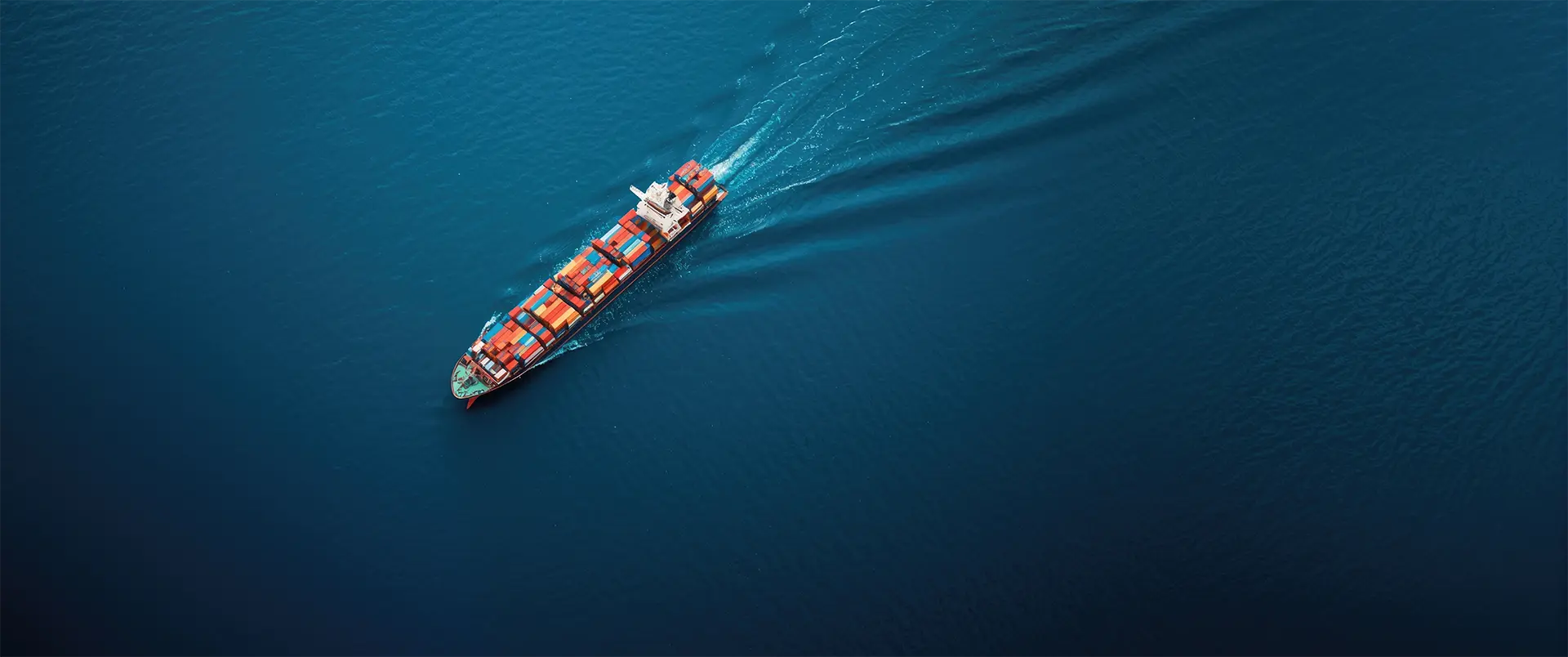
More routes, new navigation tools, but the same destination
A decade ago, maritime public relations followed relatively familiar routes. A maritime company with news to share rarely had to wonder where to take it. A vessel delivery or a major contract announcement would be sent to a handful of trade publications, perhaps alongside a direct approach to an editor met at an industry exhibition. The routes were well charted, and nearly everyone sailed them.
As companies became more active on their own digital channels, another approach gained ground: publish the news on the company website, share it on LinkedIn and Facebook, and hope journalists would find it through social feeds or RSS readers and decide to cover it themselves.
Both approaches were built for a world that has since moved on. One assumed the audience would arrive through familiar channels; the other assumed that publishing was the same thing as being found, and that somebody else would carry the story onward. Neither reflects how the waters look today. Coverage in a handful of familiar trade titles, valuable as it is, no longer carries a company’s story far enough under its own steam. Potential customers and AI platforms draw on a wider range of sources, and credibility is built when a company’s expertise appears consistently across multiple media and digital channels. Coverage in relevant publications also helps extend a company’s reach beyond the publication’s readership.
What has not changed is the very purpose of public relations. It remains the work of building credibility, earning trust and making sure the right people understand what a company does and why it matters. Reputation still depends on useful communication and recognition from sources the audience trusts.
What has shifted is the way those readers go about their research. A shipowner considering a new emissions-cutting technology might begin with a search engine, read the trade press and ask a colleague. Increasingly, they may also ask an AI platform such as ChatGPT, Google Gemini or Claude for a first overview of the technology and who is behind it. Much of this groundwork happens long before anyone picks up the phone.
The question, then, is no longer whether a story reaches a journalist, or whether it sits somewhere on the company’s own channels. It is rather whether a company’s expertise can be found, and described accurately, wherever buyers are looking.
AI search is the newest layer in this process. It sits alongside search engines, maritime media, and personal recommendation rather than replacing any of them. A company with a clear and well-documented presence has a better chance of being accurately represented across these channels.
A study by Eight Oh Two, based on a survey of 500 consumers already using AI tools, reveals that 37% of respondents now begin their web searches with AI tools rather than traditional search engines such as Google. The study also found that 60% find AI answers clearer, signalling a shift in how people first discover and evaluate brands online.
All of this makes PR more complex than it has ever been. There are more channels to understand and more ways for a company’s story to be told without its involvement. It also makes PR more important than ever. When potential clients form a view before the first conversation, the company that has explained its value clearly starts with a real advantage.
Why the maritime trade press still matters
That is precisely why specialist maritime media keeps its value. Trade publications remain important sources of technical knowledge and coverage in them provides independent editorial recognition from people who know the sector. A well-crafted press release, directed at the right journalists and titles, places a maritime company’s expertise before the audience that matters. It also leaves a lasting, published record, which gives that expertise further chances to be discovered online.
The real opportunity lies in joining these elements together. Media relations, targeted press release distribution, strong content on the company’s owned channels, search visibility and Generative Engine Optimisation (GEO), an approach to making information more accessible to AI-driven tools, are best seen as parts of a single voyage.
One temptation deserves resistance today. With so many channels to choose from, it is easy to confuse activity with visibility. Publishing more is not the same as being seen, and thin content rarely persuades a technical director. The more demanding task is to find the story that is newsworthy, explain complex engineering in plain language and ensure it reaches those who need it.
Maritime PR has no need to abandon its traditional foundations. Good relationships with journalists and respect for a technical readership are as valuable as they ever were. What the profession needs is the confidence to adapt its methods to the way customers now discover and evaluate.
A skilled navigator does not alter the destination because the sea has grown crowded. They consult the charts, make good use of new instruments (AI is among them!), but they still hold a course that arrives where it should. For maritime communications, that destination is unchanged. Only the routes must evolve.
Let’s continue the conversation

Naida Hakirevic
naida@marconic.com
My name is Naida Hakirevic, and I am Head of Editorial and Communications at Marconic, with a background in maritime and offshore journalism, foreign languages and business. I spent many years covering the maritime, offshore energy and naval industries for Navingo Media Group titles Offshore Energy, World Maritime News and Naval Today, as well as Riviera Maritime Media.
At Marconic, I help shipping and offshore companies identify their stories and bring them to the right trade and mainstream audiences.
